

Therapy for Children, Teenagers and Parents
When your child is struggling, it can be difficult to know what they need or where to turn.
Sometimes it’s obvious that something is wrong.
Sometimes it’s harder to explain.
You might have noticed changes in their mood, eating, behaviour or relationships. They might seem unhappy, overwhelmed, withdrawn or simply unlike themselves.
Perhaps you’ve tried everything you can think of, but nothing seems to be making much difference.
Or perhaps you just have a feeling that something isn’t right.
I get that.
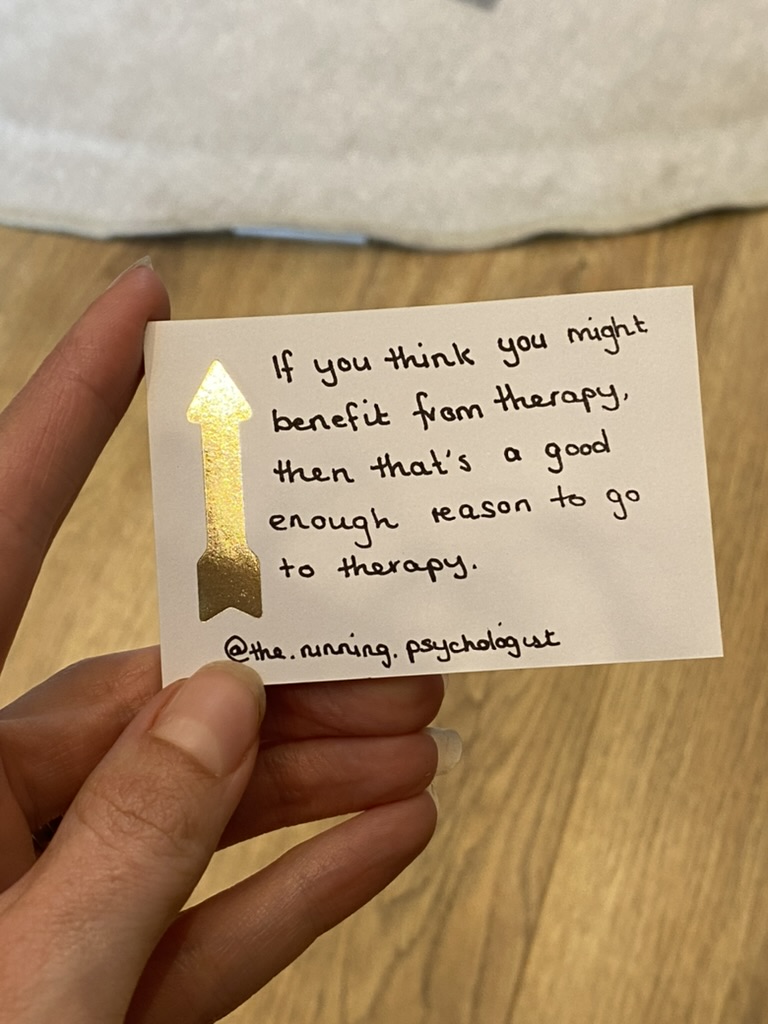
You don’t need to understand exactly what is happening before asking for help. You don’t need a diagnosis, the right words or a perfectly clear explanation.
We can start with what you are noticing now and work it out together.
I’m Dr Chloe Bedford, an HCPC Registered Counselling Psychologist with 15 years’ experience across NHS and private services, including Child and Adolescent Mental Health Services and specialist eating-disorder services.
Together, we can begin to understand not only the behaviour you can see, but what might be happening underneath it, and what your child and your family might need next.

Who I work with
I work with children and teenagers experiencing difficulties including:
- Eating disorders and disordered eating
- Anxiety and specific phobias
- Low mood and depression
- Self-harm and suicidal ideation
- Low self-esteem
- Trauma
They don’t need to have a formal diagnosis to benefit from therapy.
Sometimes a young person knows exactly what they are struggling with.
Sometimes they don’t.
And sometimes the only thing they know is that everything feels too much.
That is enough of a place to start.
Therapy should fit the person
There isn’t one “right” way to do therapy.
Every child and teenager arrives with their own personality, experiences, relationships and way of making sense of the world.
They also arrive with different ideas about therapy.
Some young people want practical strategies they can try straight away. Some need time to understand why they feel or behave the way they do. Some find talking easy. Others need us to build trust before they can begin to put things into words.
Most need a mixture of different things at different times.
That’s why I don’t expect a young person to fit neatly into one particular type of therapy.
I draw on several psychological approaches, including Cognitive Behavioural Therapy (CBT), Acceptance and Commitment Therapy (ACT) and psychodynamic approaches. This allows me to tailor the work to the individual sitting in front of me.
Sometimes our work will be practical.
Sometimes we will slow things down and try to understand where particular feelings or patterns have come from.
And sometimes the most important thing I can offer is a space where a young person feels properly heard, without judgement or pressure to have all the answers.